AI-based audience segmentation is reshaping how Buffalo businesses connect with the best-fit people at the proper time. Instead of depending on broad assumptions, companies can apply machine learning and predictive analytics to interpret customer behavior, create stronger customer personas, and deliver more relevant messaging across web design, seo services, digital marketing, ai experts channels.
For businesses in Buffalo, NY, this matters because the local market is shaped by neighborhood differences, seasonal demand, and intense regional competition. A restaurant in downtown Buffalo may attract different high-intent users than a home services company in North Buffalo or a retailer serving Elmwood Village. Add nearby competition from Amherst and Cheektowaga, and precise audience targeting becomes a major advantage.
When done well, AI helps marketers turn behavioral data, demographic data, and psychographic data into a sharper segmentation model. That means better content relevance, stronger engagement rate, improved conversion funnel performance, and more efficient lead generation.

What Artificial intelligence-based audience division and Targeting Means
AI-powered audience segmentation is the process of using ML and forecasting analytics to divide an audience into groups based on shared patterns. Those patterns can come from user behavior data, transaction history, website activity, location, device usage, and even content interactions. The goal is not just to identify who your customers are, but to understand what motivates them and how they move through the customer journey.
Traditional segmentation often stops at basic categories like age, income, or location. Artificial intelligence expands that view by detecting behavioral signals that humans may miss. For example, it can reveal which visitors are more likely to convert after viewing a service page, which prospects respond to personalized messaging, and which segments are drifting away because of poor content relevance.
This approach helps create more accurate customer personas and supports data-driven marketing across the full funnel. AI can also strengthen lead scoring by prioritizing users who are more likely to engage, request a quote, or take another valuable action. For Buffalo businesses, that means smarter audience targeting and less wasted spend.
In practical terms, AI segmentation gives marketers a clearer view of audience segmentation based on real actions rather than guesses. That is especially useful when your target audience includes different groups across neighborhoods, industries, and buying stages.
How Buffalo companies Need More intelligent Audience segmentation
The Buffalo, NY market is a strong example of why artificial intelligence-based customer segmentation is becoming necessary. Local businesses often serve a mix of residents, commuters, students, and seasonal visitors. Their customer behavior shifts depending on location, weather, and timing. Winter weather, for instance, can move buying behavior toward delivery, emergency services, indoor activities, and last-minute online searches. In Western New York, that seasonal variation can impact everything from appointment booking to retail traffic.
Modest businesses in Buffalo demand something beyond basic promotions. A law firm, HVAC specialist, dental practice, or boutique shop all compete for notice in a city where local search intent is high. People are often looking with immediate needs, which renders neighborhood-level audience targeting especially crucial. A person in downtown Buffalo may need a lunch spot or office service provider, while someone in Elmwood Village may react better to lifestyle-driven content and social proof.
The same holds true in North Buffalo, where families, longtime residents, and established neighbors may respond in different ways than younger residents and students in other parts of the city. AI helps identify those distinctions and adjust the marketing strategy accordingly.
There is also competition outside the city limits. Businesses in Amherst and Cheektowaga often vie for the same search traffic and service needs. In a crowded metro area, more precise segmentation means your message can connect directly to the people most likely to convert, not just the largest possible audience.
This is the point where online marketing turns more effective. Instead of running wide-reaching campaigns, Buffalo businesses can use segmentation to align promotions, timing, and channels with actual local demand. This enhances campaign performance, supports lead generation, and helps make every dollar work harder.
Why AI Strengthens Web Design, SEO Services, and Digital Marketing
AI impacts beyond ad targeting. It can strengthen web design, SEO services, and digital marketing by creating every experience more relevant to the visitor. When ai experts link segmentation insights to site structure, content, and campaign planning, businesses can create a more efficient and persuasive online presence.
For web design, AI helps teams understand which pages matter most to different audience segments and where users drop off in the conversion funnel. For SEO services, AI helps identify the themes, queries, and page types that match search intent. For digital marketing, AI supports smarter channel selection, better timing, and more personalized delivery.
This becomes especially useful for service-based businesses in Buffalo that depend on trust, speed, and local visibility. The combination of web design, SEO services, and digital marketing can move more users from discovery to action when it is guided by AI-driven insights.
Leveraging AI to Personalize Website Experiences
Personalization is one of the clearest benefits of AI-based audience segmentation. A website no longer has to treat every visitor the same. Instead, it can adapt calls to action, featured services, content blocks, and next-step prompts based on known audience segments and behavioral signals.
For example, a Buffalo contractor may show different homepage messaging to users searching from downtown Buffalo versus those browsing from suburban areas. A downtown visitor might be looking for quick response times and commercial work, while a residential lead in North Buffalo may care more about family scheduling, pricing transparency, and trust signals.
That level of personalization improves user experience and supports conversion rate optimization. If the site answers questions faster, reduces friction, and matches the visitor’s intent, engagement rate tends to rise while bounce rate can decrease. AI can also help identify which page layouts, headlines, and service paths keep users moving through the website engagement journey.
For organizations that depend on local leads, this counts very much. Improved personalization means more purchase-ready users stay on the page, understand the offer, and become leads. Over time, that can boost the overall conversion funnel and support stronger lead generation.
Using AI to Refine SEO and Content Strategy
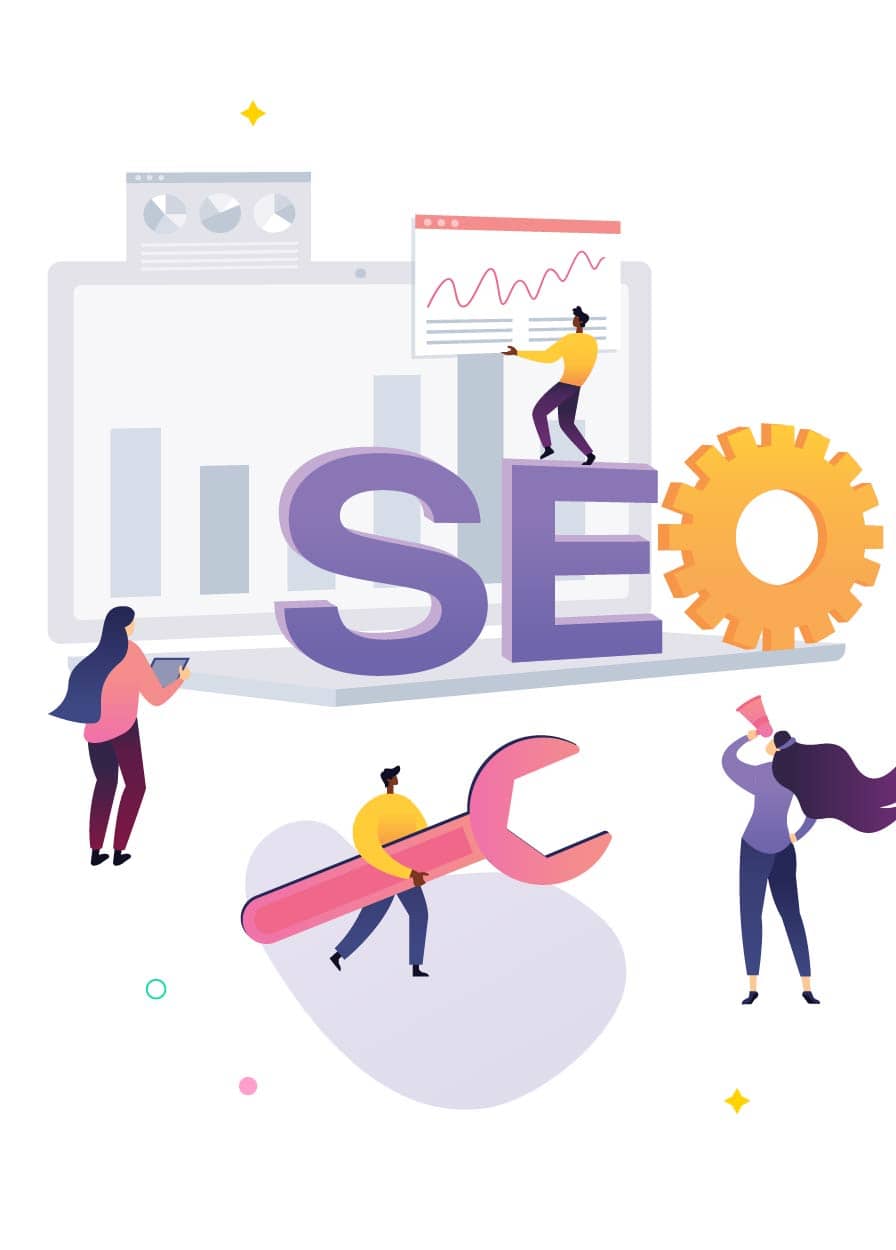
AI also strengthens SEO services by helping teams organize topics more intelligently. With keyword clustering, marketers can group related terms by meaning and search intent rather than forcing one keyword per page. This builds a more natural content structure and helps search engines understand how a site covers a topic.
For Buffalo businesses, semantic SEO is especially useful because local searches are often nuanced. Someone searching for “roof repair Buffalo” may have a different search intent than someone searching for “emergency roof leak North Buffalo” or “commercial roofer downtown Buffalo.” AI can identify these patterns and shape content optimization so that each page matches what users actually need.
AI can also raise content relevance by identifying gaps in the customer journey. If a website is attracting visitors but not converting them, the issue may be a mismatch between the content and the audience’s stage in the funnel. In that case, marketers can create supporting pages, FAQs, comparison content, or local landing pages that resolve objections and improve trust.
This process helps teams build a better segmentation model for organic search. It also gives ai experts and content creators a clearer way to sync SEO services with real business goals such as calls, form fills, appointments, and sales.
Using AI in Paid Media and Retargeting Campaigns
Paid media becomes much more efficient when it is powered by audience segments instead of generic targeting. AI can recognize audience segments based on engagement patterns, past conversions, location data, and lookalike audiences that resemble your best customers. That means ad targeting can center on people more likely to respond.
Retargeting is another area where AI brings value. A visitor who viewed a pricing section, spent time on a service page, or returned multiple times may need a different message than someone who only saw the homepage. AI helps rank those behaviors and build more effective retargeting sequences.
For Buffalo companies, this matters because digital marketing budgets are often tight. Better targeting can improve campaign performance without increasing spend. The right offer to the right segment can raise click-through rate, lower wasted impressions, and support better lead generation outcomes.
AI also makes marketing automation more adaptive. Instead of one-size-fits-all follow-ups, businesses can create campaigns that reflect audience behavior and move prospects farther through the funnel. That often leads to more qualified inquiries and a stronger return on effort.
Source Data AI Employs for Building More Effective Segments
The effectiveness of AI depends on the data it receives. To create valuable segments, systems often combine first-party information, CRM records, web analytics, and social media information. Together, these sources help reveal how customers behave, what they care about, and where they are in the customer journey.
First-party data is especially valuable because it comes directly from your own audience. This may include form submissions, email activity, purchases, chat interactions, or repeat visits. CRM integration strengthens that data further by connecting customer records with sales activity, lead scoring, and follow-up history.
Web analytics adds another layer. It shows how people move through pages, which content gets attention, and where users drop off. This can uncover differences in audience segmentation that might not appear in the CRM alone. Social media data can also reveal interests, engagement patterns, and content preferences that support better personalized messaging.
When these sources are combined, AI can build a segmentation model that feels more comprehensive and accurate. That leads to stronger performance across web design, SEO services, and digital marketing because each channel uses the same insight foundation.
Typical Errors Buffalo Companies Need to Avoid
Segmentation with AI can be highly effective, but it is easy to do incorrectly. One common mistake is excessive segmentation. If a business builds too many small audience segments, the result can be fragmented messaging, small sample sizes, and campaigns that are challenging to manage. The goal is effective segmentation, not countless categories.
Another problem is data privacy. Buffalo companies must handle customer information carefully, especially when using CRM data, behavioral data, and website analytics together. Clear consent practices and secure handling are essential. Trust matters, particularly for local businesses that rely on long-term relationships and referrals.
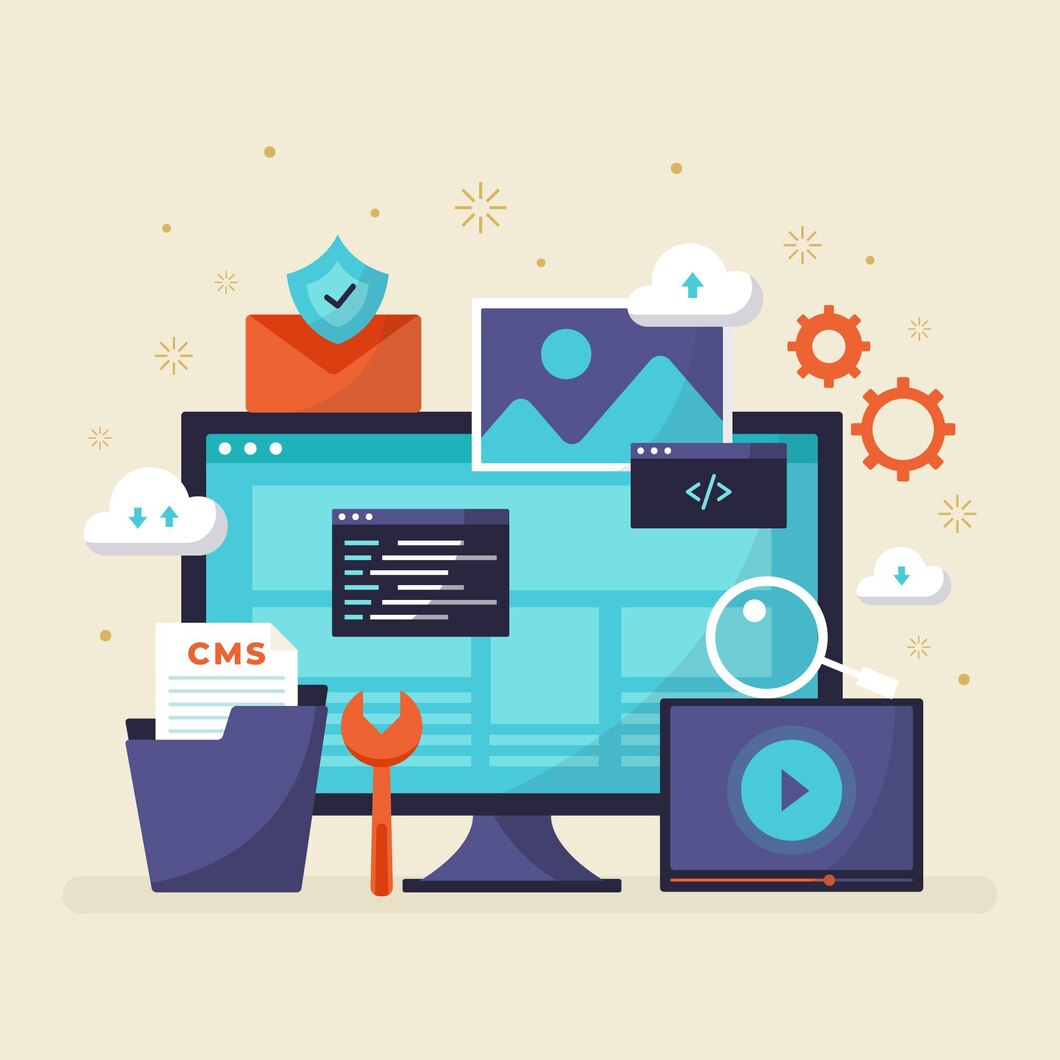
Weak data quality is another challenge. If CRM records are missing details or website tracking is set up incorrectly, the segmentation model can produce misleading results. That can lead to poor audience targeting and lower campaign performance. Data-driven marketing only works when the inputs are trustworthy.
Finally, some businesses still depend on generic messaging even after they adopt AI tools. If each segment receives the same offer and tone, the whole strategy loses value. The purpose of AI is to improve relevance. Without tailored messaging, the gains in personalization and conversion rate optimization will be minimal.
In What Ways Can Teams in Buffalo Can Get Started with AI Segmentation
A smart place to start is a focused implementation plan. Local teams do not need to start from scratch overnight. Begin by defining a few specific business goals, such as boosting lead generation, driving more booked appointments, or improving engagement rate on key pages. Then determine where AI tools can support those goals most effectively.
For a lot of companies, the first step is structuring data. Make sure website analytics are accurate, CRM integration is working, and first-party data is being collected consistently. Then analyze current audience segmentation to see which groups already exist and where the biggest opportunities are.
Experiments are essential. Run small experiments with personalized messaging, new landing pages, or adjusted ad targeting. Review performance metrics such as click-through rate, bounce rate, conversion rate, and lead quality. This will show which segments perform best and which channels should get greater emphasis.
It also helps to involve ai experts early, especially if your team is new to predictive analytics or marketing automation. Qualified partners can help choose AI tools, design a workable segmentation model, and align insights with web design, SEO services, and digital marketing execution.
For Buffalo companies, the most effective approach is to start local and specific. Build around your strongest neighborhoods, service areas, and customer types first. Then expand once you see which audience segments deliver the strongest outcomes.
Tracking Results and ROI
Evaluating performance is essential if you want AI-based audience segmentation to create real business value. Start with conversion tracking so you can see what actions visitors take after interacting with personalized pages, ads, or content. Without reliable tracking, it is difficult to know whether your segmentation model is actually improving outcomes.
Lead quality matters just as much https://griffinaqsm331.trexgame.net/area-guide-for-depew-ny-for-web-design-seo-and-digital-marketing as lead volume. A higher number of inquiries is not always better if those leads are unqualified. AI should help improve lead scoring so sales teams spend more time on prospects with stronger intent and a better fit. That often leads to more efficient follow-up and better close rates.
Customer acquisition cost is another important measure. If AI helps you target more precisely, you may reduce wasted ad spend, improve conversion rates, and lower the cost of gaining each new customer. That creates a clearer return on investment and gives decision-makers a stronger reason to continue the strategy.
Businesses should also review campaign performance over time, not just at the end of one campaign. Segment-level insights can show which audiences respond to which offers, which channels produce the best results, and where content optimization is still needed. In Buffalo, where local demand shifts with season and location, ongoing measurement is especially valuable.
When AI, web design, SEO services, and digital marketing all function from the same data, the results become easier to connect. Better audience targeting improves content relevance, user experience, and overall ROI.
FAQ
What is AI-based audience segmentation and targeting?
AI-based audience segmentation and targeting uses machine learning and predictive analytics to group people by behavior, interests, location, and intent. It helps businesses send more relevant messages to the right audience segments instead of relying on broad assumptions.
How can AI improve web design and SEO services for Buffalo businesses?
AI can improve web design by personalizing page content, improving user experience, and supporting conversion rate optimization. For SEO services, it helps with search intent analysis, keyword clustering, semantic SEO, and content optimization so Buffalo businesses can attract more qualified local traffic.
What information does AI use to build audience segments?
AI often uses first-party information, CRM data, website analytics, social media data, demographic data, psychographic data, and behavioral data. These data points help build a segmentation model that matches real customer behavior and preferences.
Sunstone Digital Tech50 Fountain Plz #1400, Buffalo, NY 14202
(315) 758-3349
https://maps.app.goo.gl/y9HMhvcoPCh9V3eKA
https://sunstonedigitaltech.com/buffalo-marketing-agency/web-design
42.8898193, -78.8738661
How are Buffalo companies measuring ROI from AI targeting?
Local Buffalo businesses measure ROI with conversion tracking, lead quality, customer acquisition cost, and campaign performance. They can also review engagement rate, bounce rate, click-through rate, and lead scoring to see whether AI is improving results.
Which mistakes should you avoid when using AI for segmentation?
The most common mistakes are over-segmentation, poor data quality, weak data privacy practices, and generic messaging. Businesses should keep segments practical, maintain clean data, protect customer information, and tailor content to each audience segment.