What Is AI-Powered Website Personalization?
AI-driven personalization is the use of data-driven learning and algorithmic decision-making to adapt a website based on visitor behavior data. Instead of showing every visitor the same homepage, same offers, and same messaging, website personalization adjusts the experience in real time. That can include tailored headlines, adaptive content, relevant recommendations, and different calls to action depending on what the system learns about each visitor.
For Syracuse businesses, this matters because a dynamic website can serve local customers with more relevant content. A visitor looking for emergency HVAC help during a snowstorm in Syracuse, NY should not see the same homepage experience as a University Hill visitor researching professional services or a Central New York family browsing healthcare options. AI helps identify those differences and shape the customer journey accordingly.
At its core, AI-powered website personalization combines behavioral analytics, user segmentation, and predictive analytics to strengthen content relevance. The result is a more personalized experience that supports conversion rate optimization and stronger user engagement.
Why Tailoring Counts for Syracuse Businesses
Syracuse businesses compete in a environment where local search intent is often particular and immediate. People look differently depending on neighborhood, season, and service need. Online marketing works better when a site reflects that setting, especially for businesses serving Central New York. A visitor searching from downtown Syracuse may expect quick local service, while someone in Onondaga County may care more about service area coverage or appointment availability.
That is why website personalization is not just a design trend. It is a useful part of marketing that can improve conversion rate and lead generation. When the message matches what the visitor wants, the site creates stronger user engagement and stronger lead quality. For example, a home services company can use tailored messaging for winter weather repairs, while a healthcare practice can highlight nearby locations, insurance details, or appointment booking options for local customers.
Personalization also helps with trust. Syracuse, NY audiences often want to know whether a company understands the region, the climate, and the way local customers search. If the homepage, service pages, and blog content show that understanding, users are more likely to stay, explore, and take action.
How AI Studies From User Actions
These systems learn from behavioral analytics and session data. That includes which pages a user visits, how long they stay, what they click, where they scroll, and whether they return. Over time, machine learning can identify patterns in on-site behavior and predict which content or offer is most likely to drive action.
For example, predictive analytics might reveal that visitors who read blog content about winter plumbing issues are more likely to request emergency service, while users who view multiple service pages may respond better to a consultation CTA. AI can then adapt the user journey by highlighting the most relevant next step.
These systems also measure click-through rate and engagement signals. If one version of a banner consistently attracts more attention than another, the model can prioritize that option for similar audience segments. That means the site gets smarter as it receives more traffic. For Syracuse businesses, this can be especially useful during seasonal demand shifts, when winter weather changes search behavior and service priorities.
Approaches AI Can Personalize Web Design and Content
AI can influence both web design and content strategy in ways that upgrade the homepage experience and support real conversion improvements. Rather than relying on a static layout, AI can adjust content blocks, offers, and page elements https://syracuse-ny-ty737.image-perth.org/top-activities-to-enjoy-around-oswego-ny-for-guests-and-locals based on who is visiting and what they are likely to need.
One of the biggest advantages is dynamic content. Instead of showing the same headline or promotional message to everyone, the website can display sections based on audience segments. A healthcare provider might show different content to new patients, returning patients, or users searching from a specific zip code. A regional contractor might show one set of content for snow-related emergencies and another for routine maintenance.
AI also supports personalized recommendations, which can lead visitors toward relevant service pages, related blog posts, or next-step actions. A recommendation engine can tie content personalization to the buyer journey by suggesting the most useful pages at the right time. That makes the site feel more intuitive and more relevant, while helping visitors move through the customer journey with less friction.
Adaptive Homepage Messaging
The homepage is often the first place AI personalization makes an impact. With geo-targeting, a business can show personalized headlines that mention Syracuse, NY or a nearby service area when the visitor is in the local market. A user in Central New York may see a headline focused on fast local support, while another user from a broader regional area may see service-area messaging that emphasizes coverage.
User segments can also shape the homepage experience. A professional services firm might show one message for commercial clients and another for individuals. A higher education organization near the University Hill area could tailor messaging to students, faculty, or families. These changes create a more personalized experience and increase content relevance without forcing the visitor to search for basic information.
Personalized action prompts
Artificial intelligence can boost CTA effectiveness by matching the call to action to the buyer journey. A first visit visitor may react best to a light-touch CTA such as “Learn More” or “See Services,” while a purchase-ready user may be ready for “Request a Quote” or “Book an Appointment.” This kind of conversion optimization helps move users toward lead generation in a way that feels natural rather than pushy.
For Syracuse businesses, customized CTAs can also reflect area-based urgency. A home services company may use one CTA during winter weather emergencies and another during normal seasonality. A healthcare provider might use “Find a Location Near You” for local customers in Onondaga County. These tailored messages align with intent-based content and strengthen the chances of conversion rate success.
Offer, Support, and Blog Suggestions
Recommendation engine technology is one of the most effective forms of AI personalization. It can guide visitors toward the most relevant service pages, products, or blog content based on previous clicks and on-site behavior. For example, a visitor reading about HVAC repair might also be shown maintenance plans, financing information, or seasonal preparation tips.
Content personalization works especially well when paired with blog content that answers common questions and supports search intent. A Syracuse-based professional services firm can recommend related articles after a visitor reads an overview page. A healthcare provider can suggest patient resources, while a home services company can guide users from a blog post into a booking page. These smart recommendations improve user engagement and keep the dynamic website useful longer.
Ways AI Enhances SEO Services and Digital Marketing
Personalized AI is not apart from seo services and digital marketing. It improves both by assisting sites better reflect search intent more closely. When a visitor lands on a page from organic search, the content should immediately match what they were looking for. AI can help by identifying which headlines, content blocks, and CTAs are most likely to align with search intent for different audience segments.
That matters because engagement signals influence how people interact with the site after they arrive. If visitors spend more time, click deeper, and view more pages, that usually reflects stronger content relevance and stronger user engagement. Those patterns also deliver helpful feedback for digital marketing teams and ai experts who want to adjust messaging over time.
For Syracuse businesses, AI can connect local search behavior with on-site personalization. A user searching for a downtown Syracuse service may want location details immediately, while someone from the broader Central New York area may prefer service-area information first. By connecting search intent to on-site content, businesses can create a smoother customer journey and strengthen stronger organic and paid marketing performance.
How AI Experts Establish Personalization Responsibly
Partnering with ai experts helps ensure customization is effective, measurable, and compliant. Strong implementations rely on first-party data, such as page views, form submissions, and past interactions. That information is more reliable and privacy-friendly than depending too heavily on outside tracking sources.
Sunstone Digital Tech201 E Jefferson St, Syracuse, NY 13202
(315) 758-3349
https://maps.app.goo.gl/LNcnKZaUXSqxHPoT8
https://sunstonedigitaltech.com/
43.0471862, -76.1504376
Privacy compliance is essential. A personalized website should respect consent settings, data retention rules, and customer expectations. AI experts can organize the system so personalization stays within approved limits while still delivering relevant content. That is especially important for industries like healthcare and professional services, where trust and confidentiality matter.
A/B testing is another critical step. Even the best machine learning model needs testing to confirm that personalized content actually improves conversion rate, lead generation, or user engagement. A/B testing can test different personalized headlines, CTAs, and content blocks to see which options work best for specific audience segments. That keeps optimization grounded in real results rather than assumptions.
What Regional Syracuse Examples Should Be Included?
To make AI personalization valuable for Syracuse, NY businesses, examples should reflect the realities of the local market. People in Central New York want websites to account for local conditions, seasonal demand, and service-area coverage. That means personalization should not feel blanket or too general.
For a home services company, geo-targeting can show emergency heating help during winter weather when search behavior shifts dramatically. For a healthcare provider, the site can highlight nearby locations, appointment availability, and service options for users in the University Hill area or downtown Syracuse. For a higher education organization, personalized content can change based on whether the visitor is a prospective student, parent, or faculty member.
Regional businesses across Onondaga County can also use personalization to speak more directly to local customers. A law firm or accounting practice may want to emphasize free consultations, local office access, or industry-specific services. A restaurant or retail business may want to feature neighborhood-based offers or time-sensitive promotions. These examples show how website personalization becomes part of practical digital marketing rather than a stand-alone feature.
What Outcomes Can Businesses Anticipate From AI Personalization?
Businesses that apply AI personalization effectively can achieve improved user engagement, decreased bounce percentage, and longer average session duration. Once visitors encounter content that aligns with their needs, they are not as likely to leave quickly and more inclined to discover the site. That creates more opportunities for lead acquisition and better conversion rate optimization.
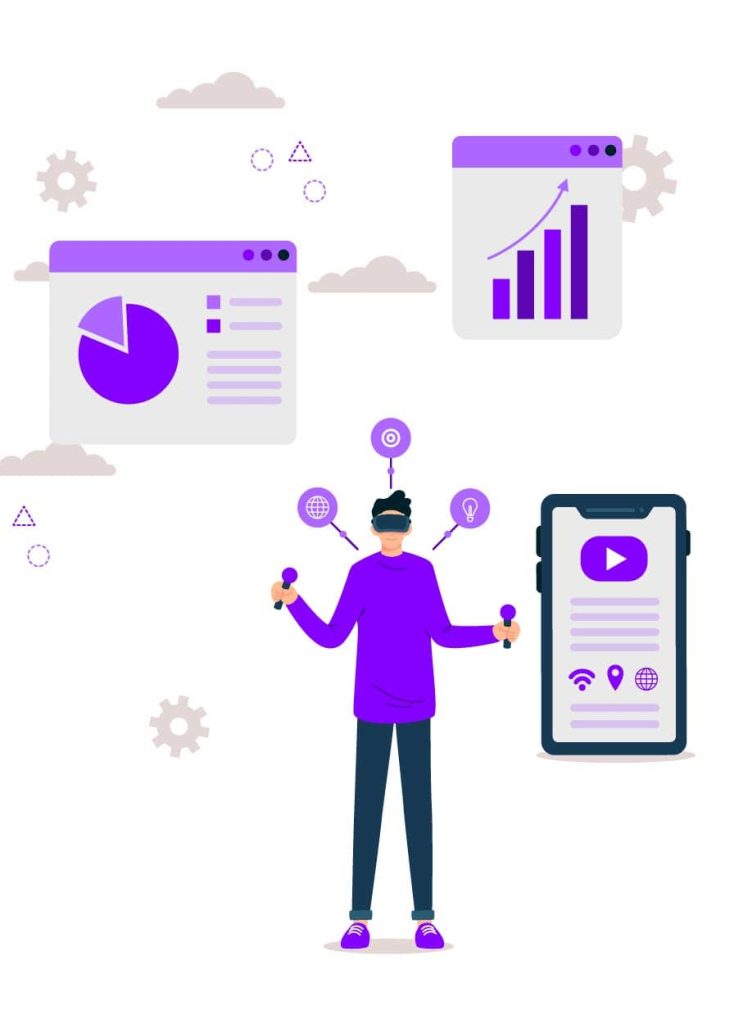
ROI increases when the web page begins handling a larger share of the screening work. Rather than having requiring every visitor search for the right page, AI can direct them toward useful information, service pages, or contact methods. This can boost lead quality and reduce wasted traffic from visitors who were not a strong match in the first place.
For Syracuse businesses, the greatest value may be in community relevance. A customized approach that reflects seasonal demand, neighborhood context, and service-area messaging can make a site feel more supportive and trustworthy. Over time, that can support stronger digital marketing results, better seo services performance, and a more effective customer journey for local customers throughout Central New York.
FAQ
How can AI improve website personalization for local businesses?
AI may enhance personalized websites by applying user actions, audience segmentation, and predictive analytics to present more suitable information, deals, and calls to action. For local businesses, that indicates the site can adjust to neighborhood service region, and time-based needs, which provides a better personalized experience and supports lead generation.

What data does AI use to personalize a website?
Artificial intelligence usually relies on first-party data, session information, click behavior, page impressions, and other behavioral analytics. It can also use behavioral data such as repeat visits, scroll distance, and site activity to analyze user intent and serve dynamic content or custom suggestions.
Can AI personalization help with SEO services?
Yes. Artificial intelligence personalization can enhance seo services by boosting search intent alignment, user engagement signals, and content relevance. If users stay longer and interact more because the page aligns with what they were looking for, that can improve overall digital marketing performance.
How does AI change web design for better user experience?
Artificial intelligence reshapes web design by making the website more adaptive. It can tailor the homepage experience, present dynamic content blocks, adapt messaging for different audience segments, and direct visitors through a smoother user journey. That leads to stronger user engagement and conversion improvements.
Is AI personalization safe for customer privacy?
It can be safe when it is built with privacy compliance in mind. The best systems rely on first-party data, clear consent practices, and careful testing. AI experts can help ensure personalization respects privacy while still delivering a relevant and helpful experience.